Saturday, October 3, 2026 Search Subscribe
Monterey · Pacific Grove · Carmel-by-the-Sea · Seaside · Marina

New to the Monterey Peninsula? Start here

Orientation for new arrivals: the lay of the land, getting around, and the rhythms of life on the bay.
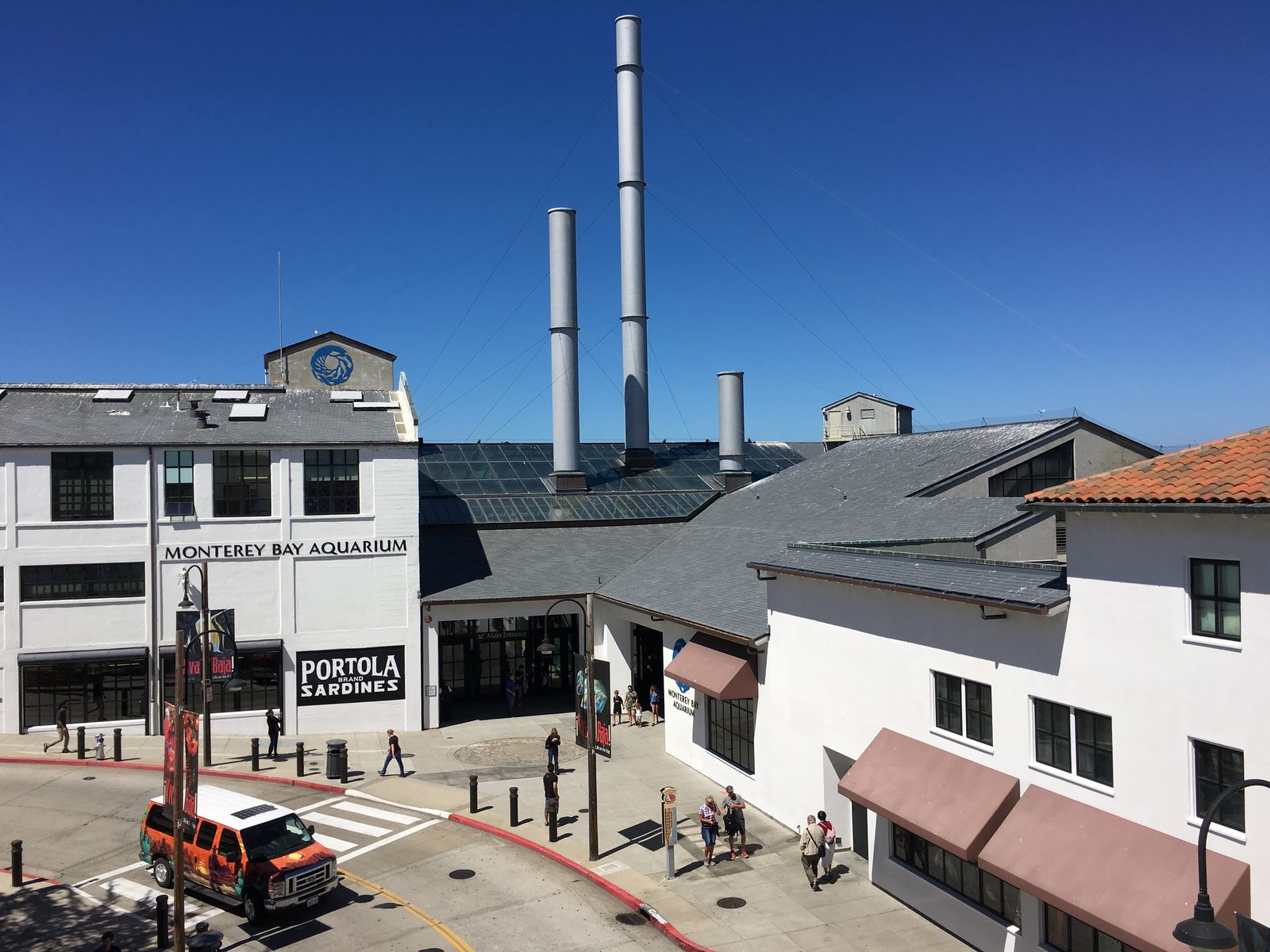
The Monterey Bay Aquarium's main entrance, crowned by smokestacks honoring the Hovden Cannery it replaced. Start any Peninsula education here.
Rhinopias / Wikimedia Commons (CC BY-SA 4.0) · Source

Welcome. The Monterey Peninsula is small, beautiful, and full of unwritten rules. This guide covers the basics.

The lay of the land. Seven cities share the Peninsula: Monterey, Pacific Grove, Carmel-by-the-Sea, Seaside, Marina, Del Rey Oaks and Sand City. Salinas, the county seat, is about 20 minutes inland. The whole Peninsula is roughly a 20-minute drive end to end, until summer traffic says otherwise.
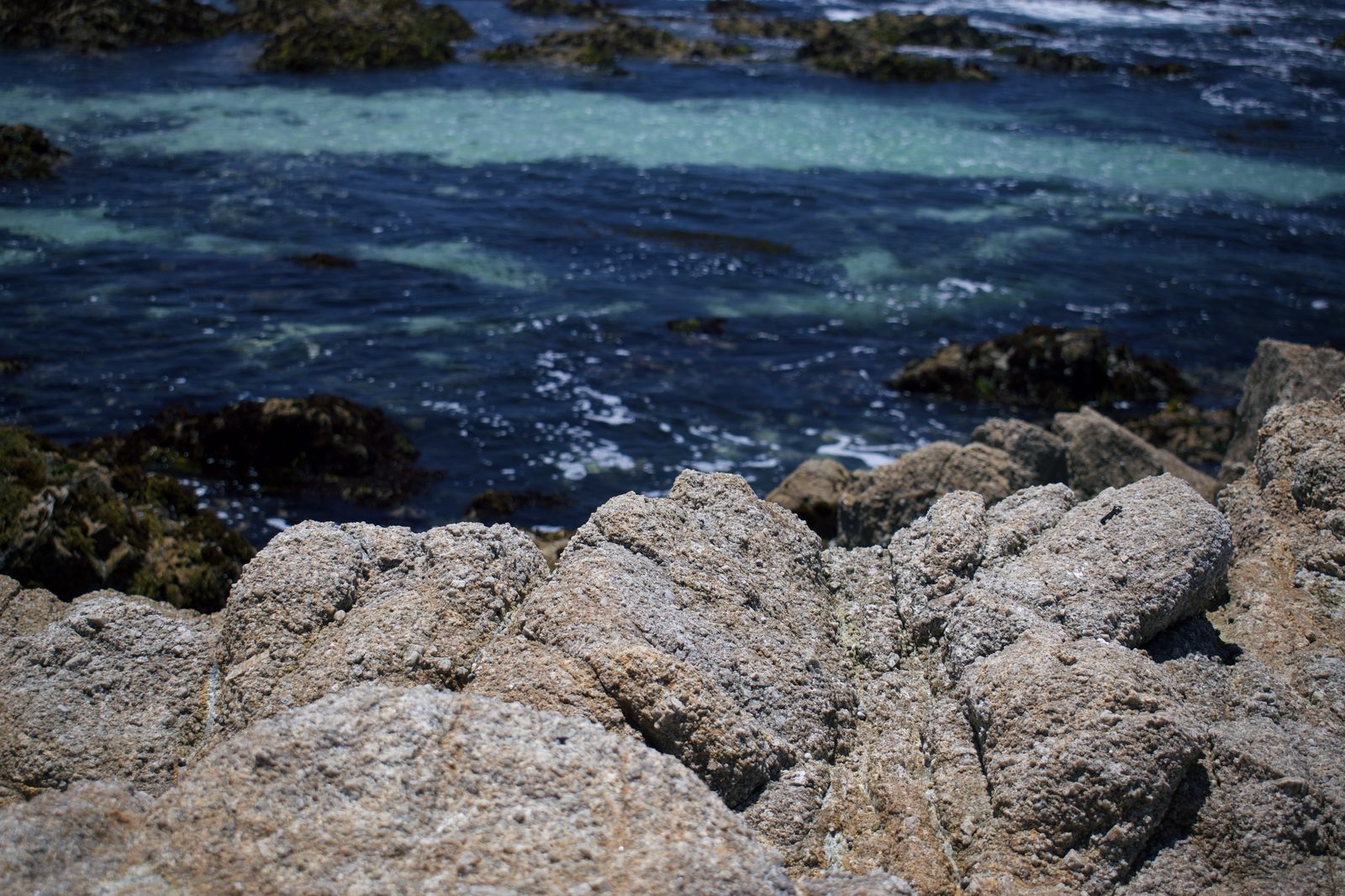
Rocky coves and tide pools line Asilomar State Beach on the western tip of the Monterey Peninsula, free to visit and open to all.
Levi Clancy / Wikimedia Commons (CC0) · Source

Getting around. Highway 1 is the spine; learn the back routes through Del Rey Oaks and Seaside. Monterey-Salinas Transit runs the buses. Monterey Regional Airport flies to the Bay Area, Los Angeles, Las Vegas, Phoenix, Denver and Dallas, which covers most escapes. Parking in downtown Monterey and Carmel is the local sport; arrive early or embrace the garage.

The weather. The marine layer is real. Summer mornings are often gray and cool, afternoons clear, and a 20-degree swing between the coast and Carmel Valley is normal. Dress in layers, always.
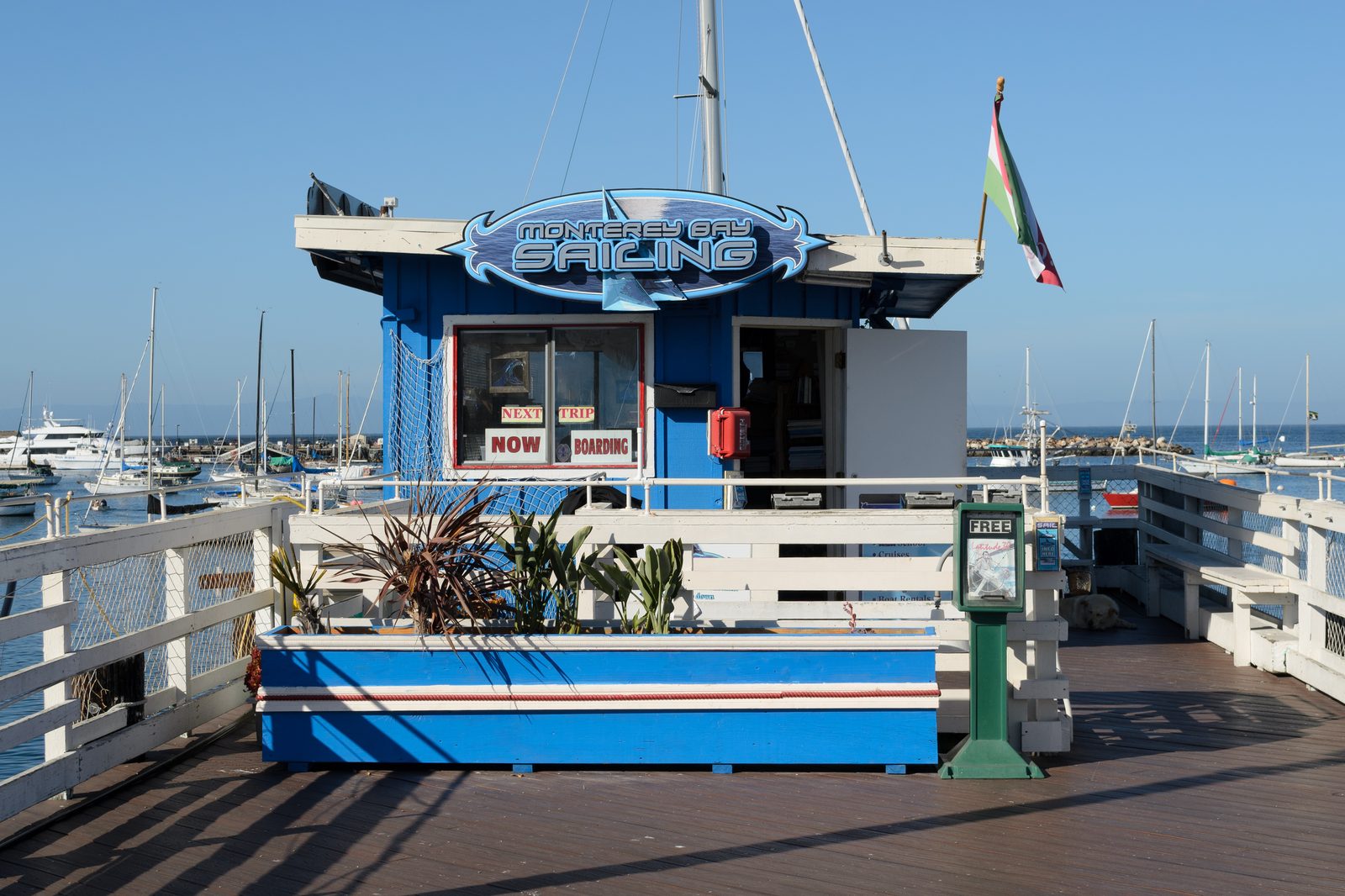
Sailboats crowd the slips at Monterey's Old Fisherman's Wharf, the city's working waterfront since 1846.
King of Hearts / Wikimedia Commons (CC BY-SA 4.0) · Source

The rhythms. Life here runs on seasons: the summer visitor crush, the fall calm the locals call their own, whale migration in winter and spring, and the monarchs overwintering in Pacific Grove. Farmers markets run year-round. The foghorn at Point Pinos is not an alarm; it is just Tuesday.

Get involved. Newcomers integrate fastest through the civic basics: your city council, your neighborhood association, and the volunteer docent corps at the aquarium, the museums, and the state parks. The Peninsula rewards people who show up.
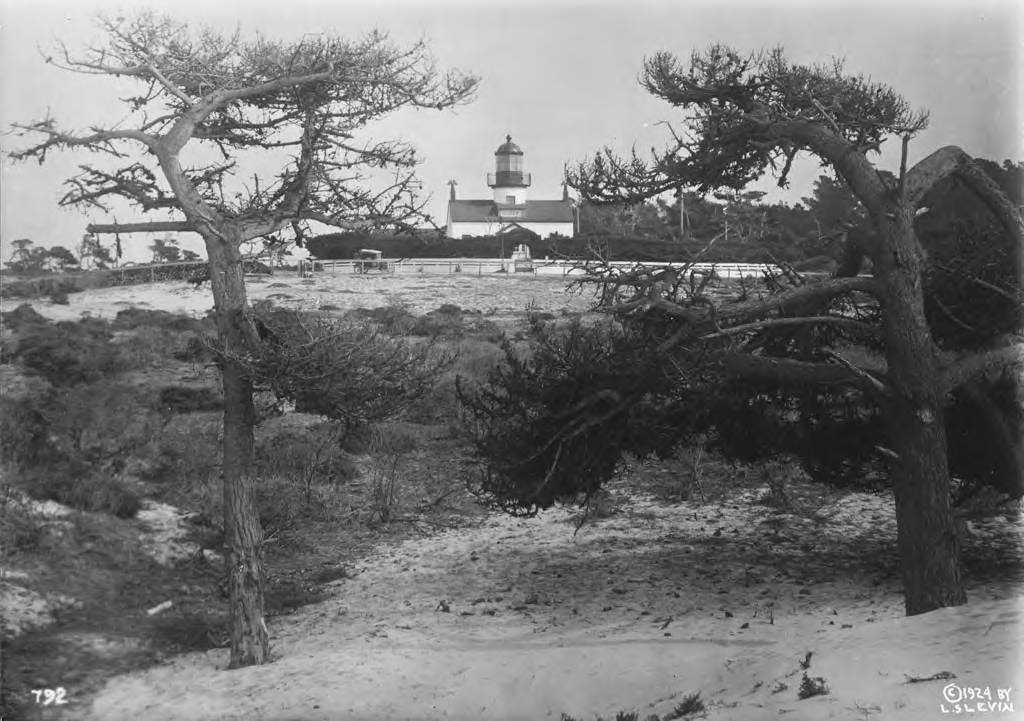
Point Pinos Light in 1924, the oldest continuously operating lighthouse on the West Coast, in Pacific Grove.
Louis S. Slevin / Public domain · Source
Filed under:
  • guide
  • newcomers
  • moving
  • monterey peninsula
Guides Editor

Rachel Stein writes the Tribune's evergreen guides to living on and visiting the Monterey Peninsula.

Corrections
We correct errors promptly and note them here. Send corrections to [email protected].
More from Guides

How to be heard at Peninsula city halls: a meetings guide

When the councils meet, how to comment, and where to find every agenda.

By Rachel Stein · Sep 30, 2026

The Monterey Peninsula's cities, explained

Seven cities share one small peninsula. Here is what makes each one distinct.

By Rachel Stein · Sep 30, 2026

The Monterey Peninsula economy, in plain terms

Tourism, agriculture, and the institutions in between: how the region actually makes its money.

By Rachel Stein · Sep 29, 2026
Read nextHow to be heard at Peninsula city halls: a meetings guide