Friday, October 2, 2026 Search Subscribe
Monterey · Pacific Grove · Carmel-by-the-Sea · Seaside · Marina

The Monterey Peninsula economy, in plain terms

Tourism, agriculture, and the institutions in between: how the region actually makes its money.
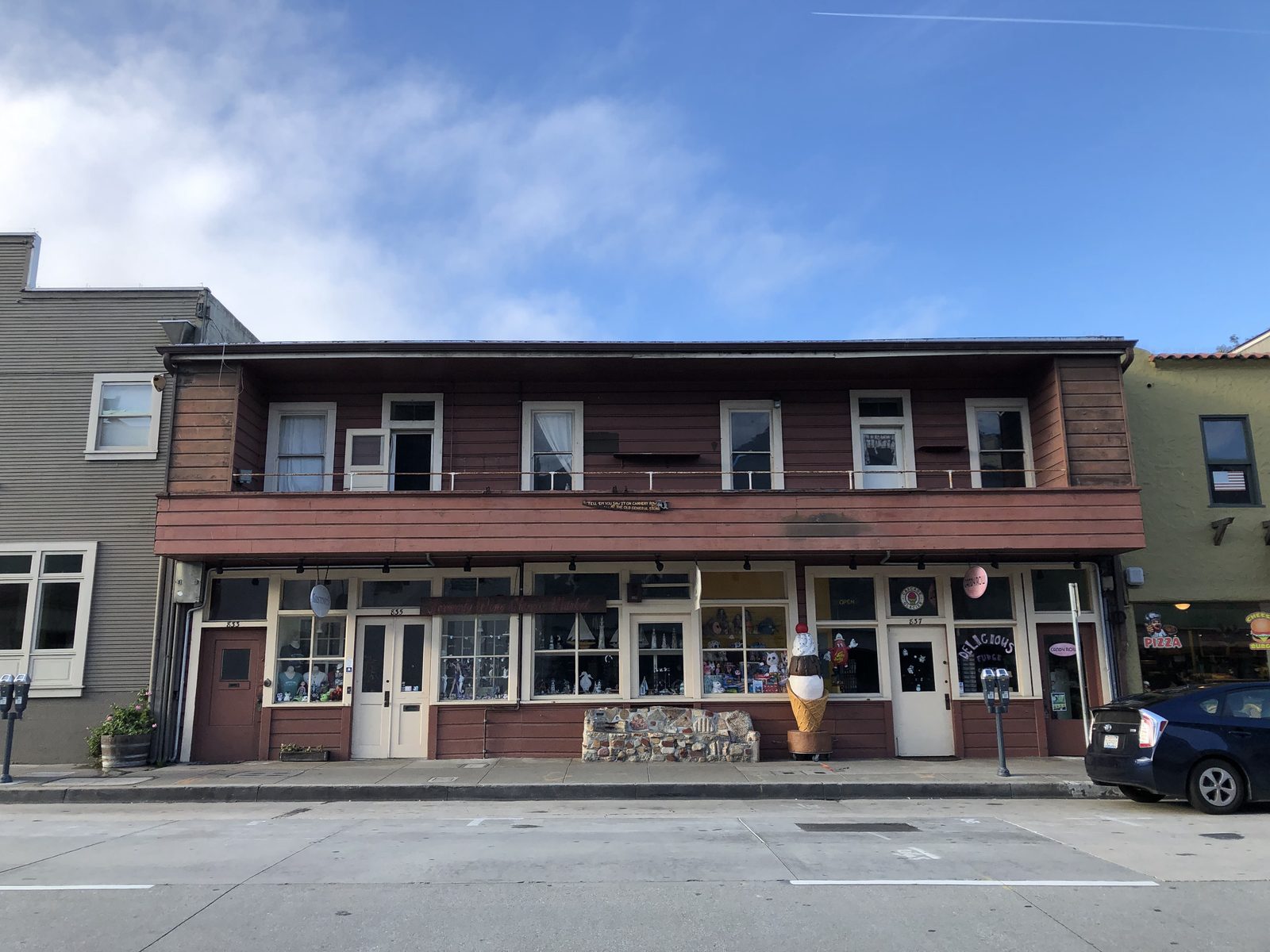
A historic Cannery Row building stands along Monterey's former sardine-canning waterfront. Tourism is the county's second-largest industry.
Sarah Stierch / Wikimedia Commons (CC BY 4.0) · Source

The Monterey Peninsula economy rests on two big pillars, with a handful of smaller ones holding up the roof. Here is the plain-terms version.

Agriculture is the county's largest industry. The Salinas Valley, minutes inland, is one of the most productive farming regions on earth, the "Salad Bowl of the World." Row crops, berries and wine grapes drive an economy that dwarfs everything else in Monterey County by revenue and employment.
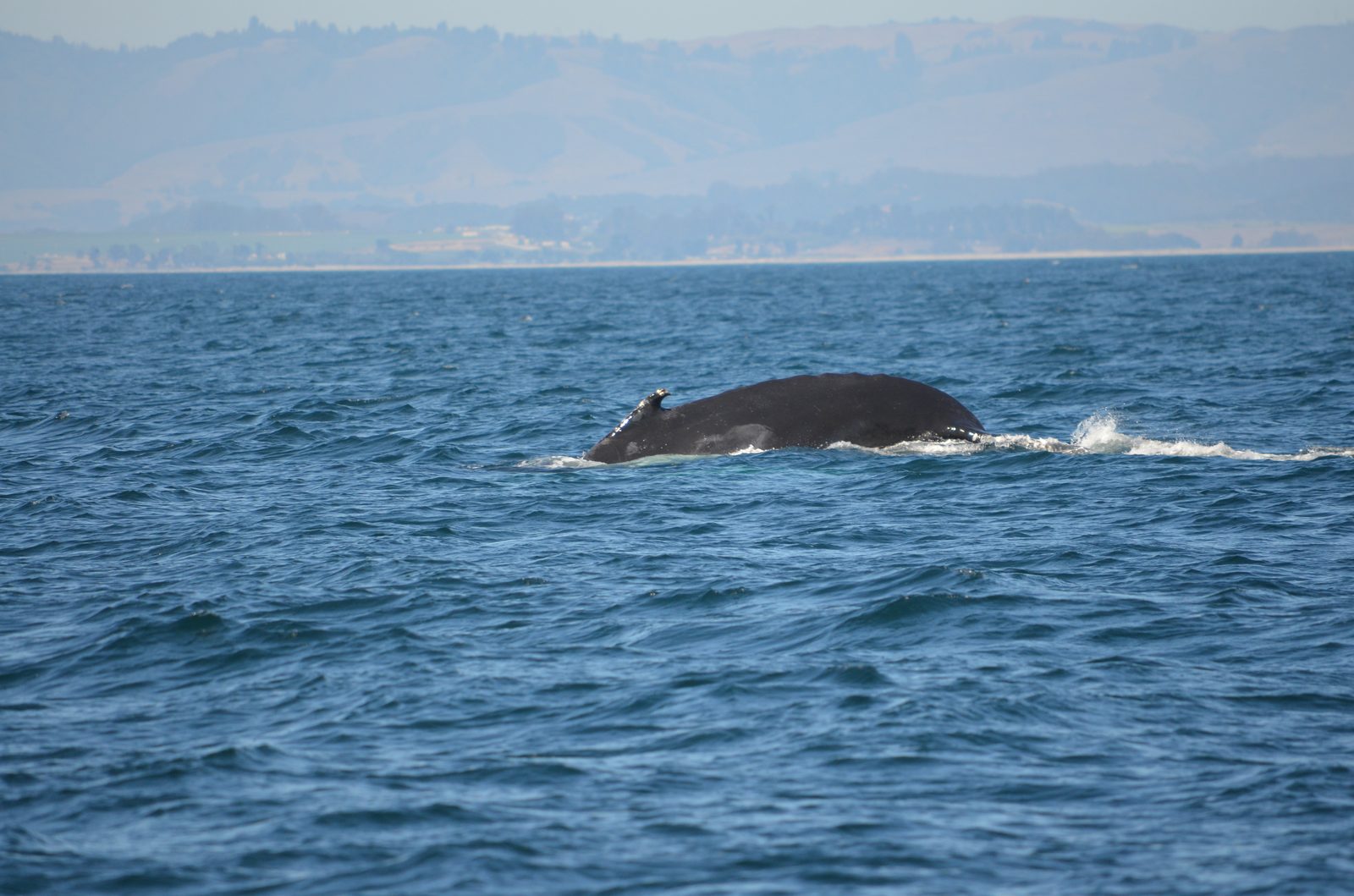
A humpback whale surfaces in Monterey Bay, one of the world's premier whale-watching grounds. Visitors spent a record $3.3 billion in the county last year.
Chananst / Wikimedia Commons (CC BY-SA 3.0) · Source

Tourism is second. Visitors spent a record $3.3 billion in Monterey County last year, generating $346 million in tax revenue and supporting 27,760 jobs, according to See Monterey. The pillars: the Monterey Bay Aquarium, Cannery Row and the Wharf, the golf courses of Pebble Beach, the Big Sur coastline, and events from the Jazz Festival to car week. About 700 new hotel rooms are expected by 2030.

The institutions. The military never fully left: the Naval Postgraduate School and the Defense Language Institute sit in Monterey, and the former Fort Ord is slowly converting to civilian use, including the Fort Ord National Monument and university lands. Healthcare, education and government round out the stable employers.

Dawn breaks over Monterey Regional Airport, the Peninsula's commercial air gateway, connecting the visitor economy to the wider world.
Edward Russell / Wikimedia Commons (CC BY 2.0) · Source

The tension. Tourism and agriculture both depend on the same scarce inputs, water and land, and both compete with housing for workers. Almost every big Peninsula fight, from desalination to hotel development to farmworker housing, is really a fight about how those inputs get divided.

Understand that, and the local news starts to make sense.
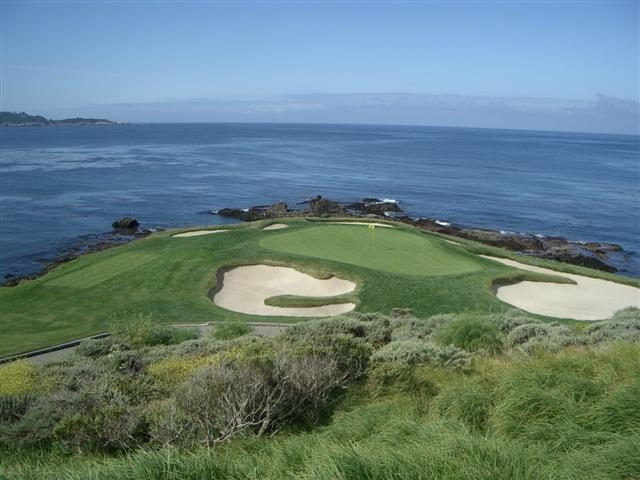
The short par-3 7th hole at Pebble Beach Golf Links plays toward the Pacific. Golf tourism is a pillar of the Peninsula's high-end visitor economy.
Metallion / Wikimedia Commons (CC BY-SA 3.0) · Source
Filed under:
  • guide
  • economy
  • tourism
  • agriculture
  • jobs
Guides Editor

Rachel Stein writes the Tribune's evergreen guides to living on and visiting the Monterey Peninsula.

Corrections
We correct errors promptly and note them here. Send corrections to [email protected].
More from Guides

How to be heard at Peninsula city halls: a meetings guide

When the councils meet, how to comment, and where to find every agenda.

By Rachel Stein · Sep 30, 2026

New to the Monterey Peninsula? Start here

Orientation for new arrivals: the lay of the land, getting around, and the rhythms of life on the bay.

By Rachel Stein · Sep 30, 2026

The Monterey Peninsula's cities, explained

Seven cities share one small peninsula. Here is what makes each one distinct.

By Rachel Stein · Sep 30, 2026
Read nextHow to be heard at Peninsula city halls: a meetings guide