The Monterey Peninsula's cities, explained
Seven cities share one small peninsula. Here is what makes each one distinct.
The Monterey Peninsula packs seven cities into a few square miles of coastline, and each one has a distinct personality. This is the quick orientation.
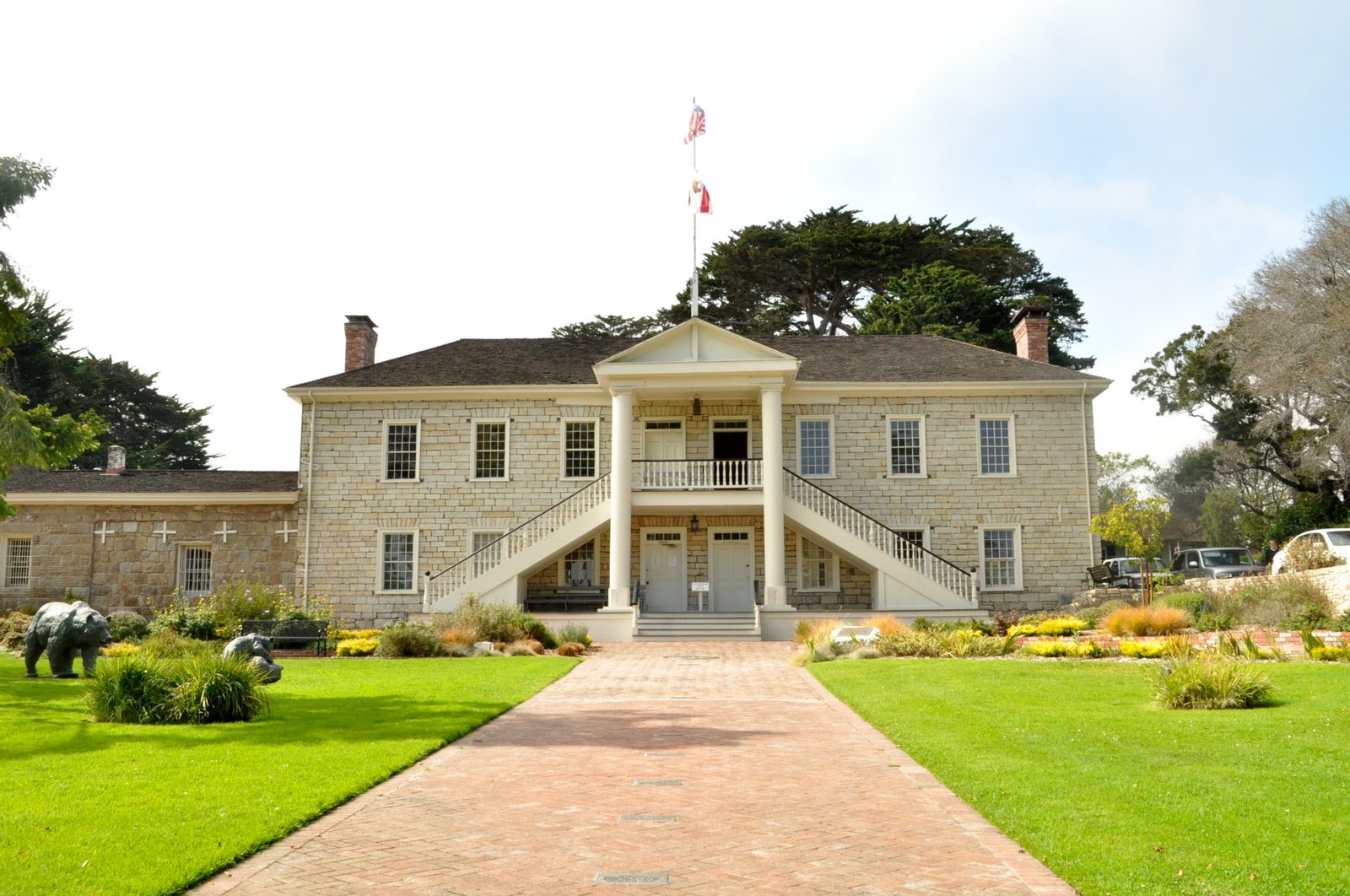
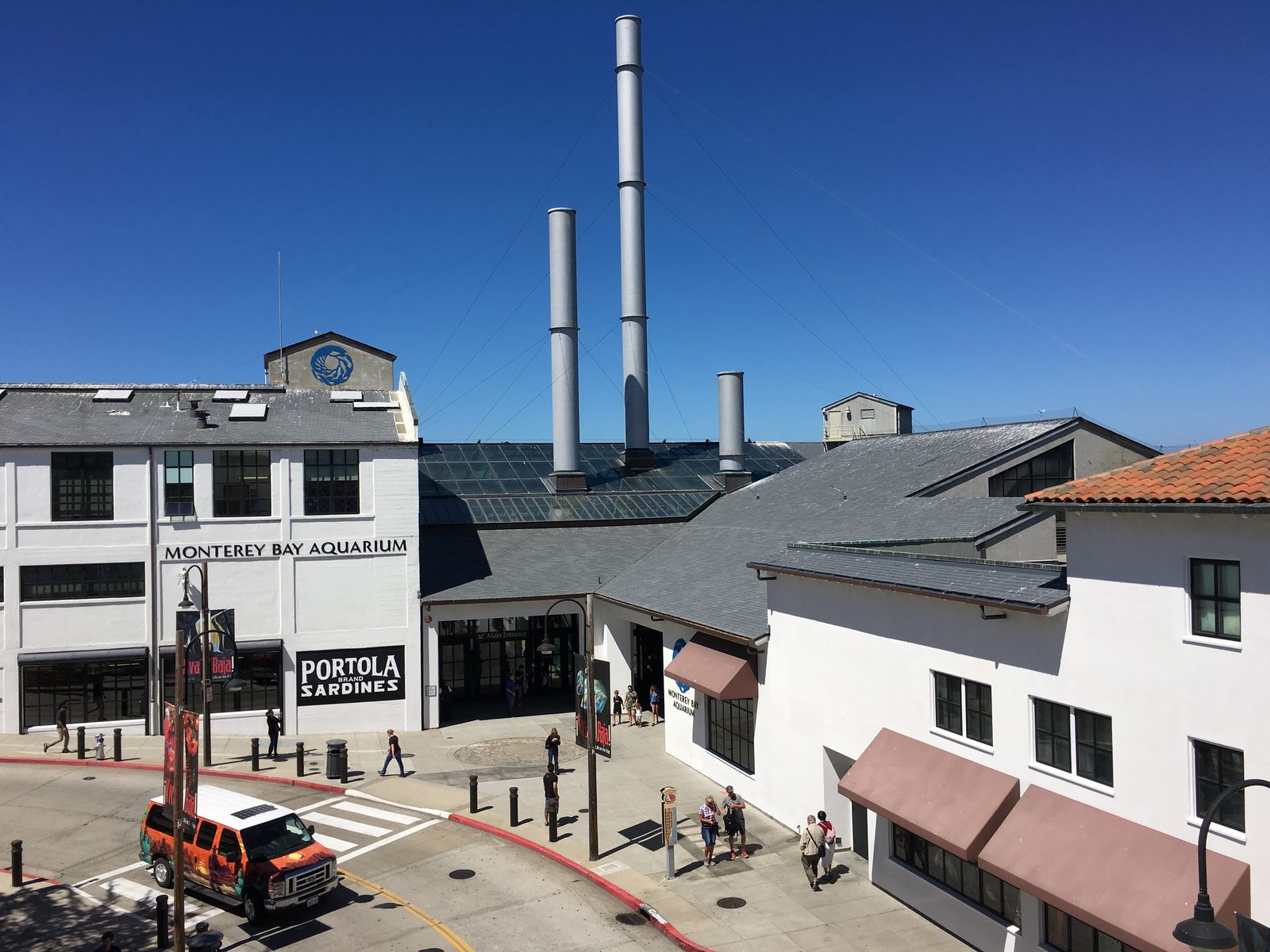
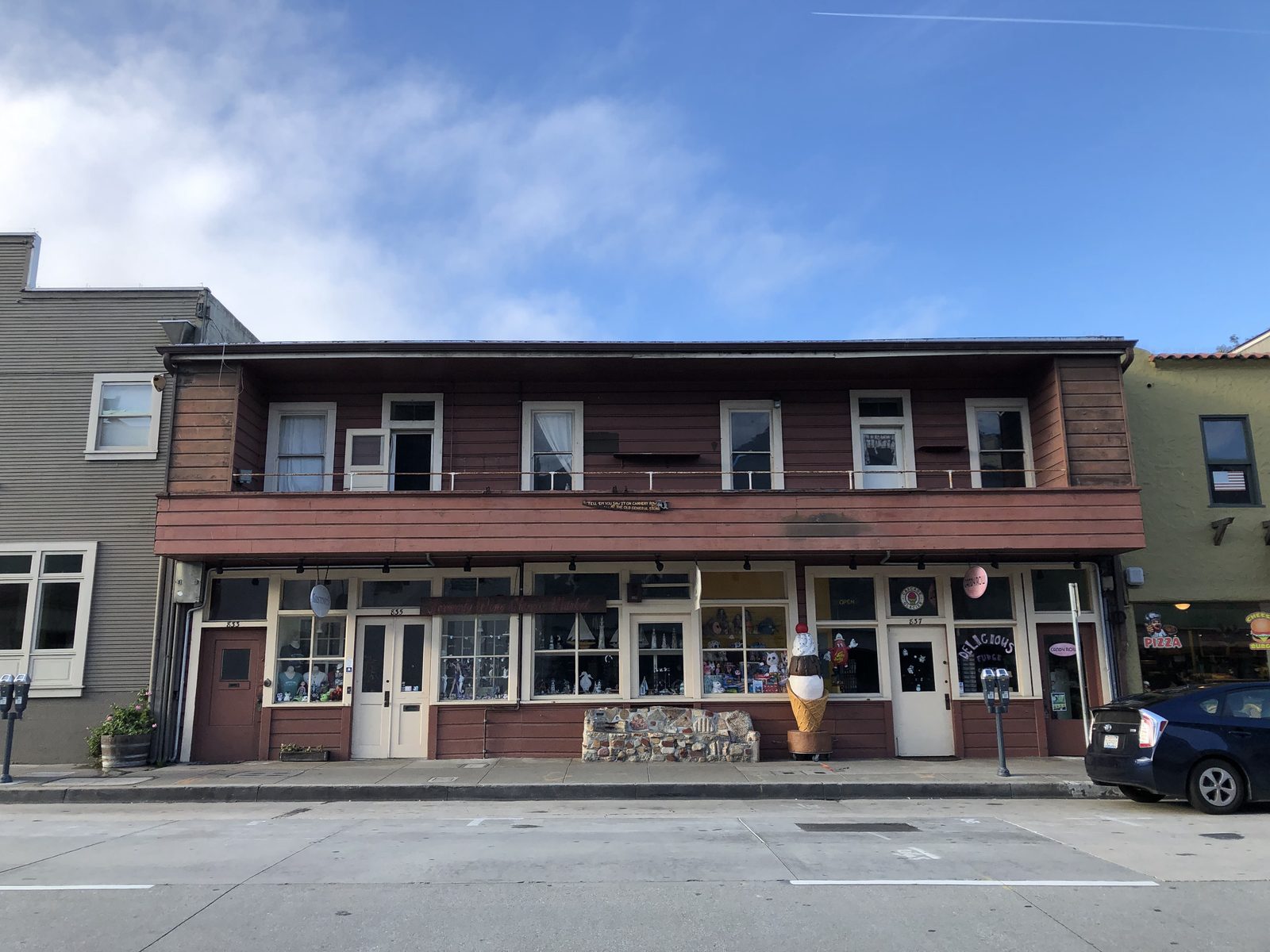
Monterey. The historic and commercial center, home to the Old Fisherman's Wharf, Cannery Row, and the Monterey Bay Aquarium. Colton Hall hosted California's first constitutional convention in 1849, and the city's adobe downtown still shows its Spanish and Mexican eras. Monterey's city hall is at 580 Pacific Street.
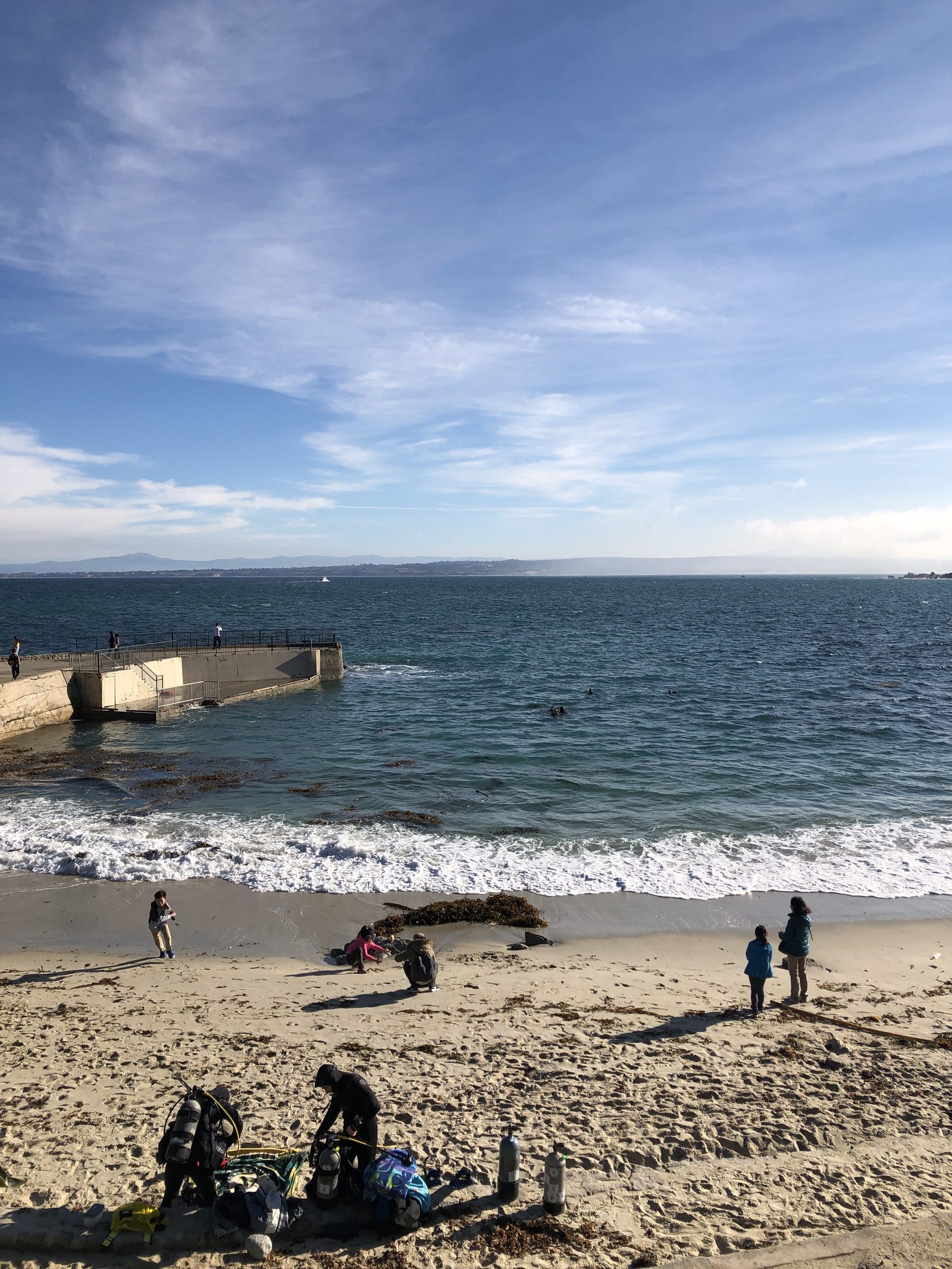
Pacific Grove. The quiet, residential neighbor to the west, known for its Victorian houses, the Asilomar conference grounds, and the monarch butterflies that overwinter at the Monarch Grove Sanctuary, the source of its "Butterfly Town, USA" nickname. Lovers Point is its beloved waterfront park.
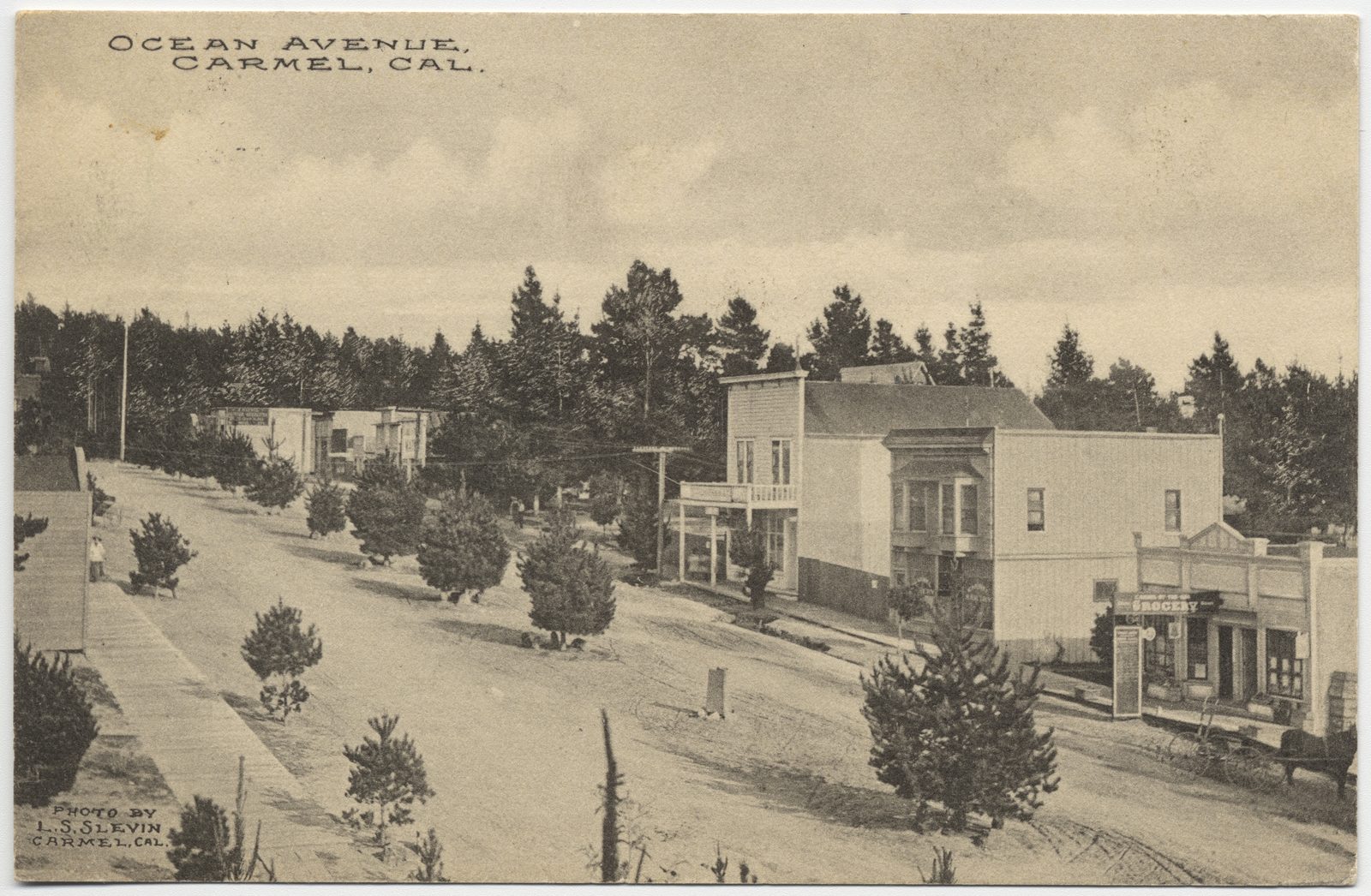
Carmel-by-the-Sea. The storybook village of cottages, courtyards and galleries, founded as an artists' colony in the early 1900s. No street addresses, no neon, and a fierce devotion to its character. Carmel Beach and the missions-era history anchor its identity.
Seaside. A large, diverse city sitting between Monterey and Marina along the bay, home to much of the region's workforce housing and to the former Fort Ord lands now being redeveloped.
Marina. The youngest city, grown up around the former Fort Ord Army base. More affordable than its southern neighbors, with the dunes and shoreline of Fort Ord Dunes State Park on its doorstep.
Del Rey Oaks and Sand City. The two small cities tucked between Monterey and Seaside, each with its own council and character: Del Rey Oaks residential and wooded, Sand City industrial and arts-friendly.
Beyond the cities lie the unincorporated communities the county governs: Carmel Valley, Pebble Beach, and Big Sur, each with its own fiercely local identity.
We correct errors promptly and note them here. Send corrections to [email protected].