UC Santa Cruz launches real-time study of kelp resilience as a super El Nino builds
Divers are in the water weekly across Monterey Bay, racing to understand the giant kelp forests before the warm water arrives.
Researchers at UC Santa Cruz have launched a real-time study of giant kelp resilience as a forecast super El Nino builds in the Pacific, sending divers into Monterey Bay every week to track the forests before the warm water arrives.
The project, led by the Nearshore Ecology Research Group of Professor Joshua Smith, aims to understand how kelp forests respond to extreme marine heat while it is happening, rather than reconstructing the damage afterward. Monterey Bay's kelp forests are still recovering from the marine heatwave of about a decade ago that devastated kelp up and down the coast.
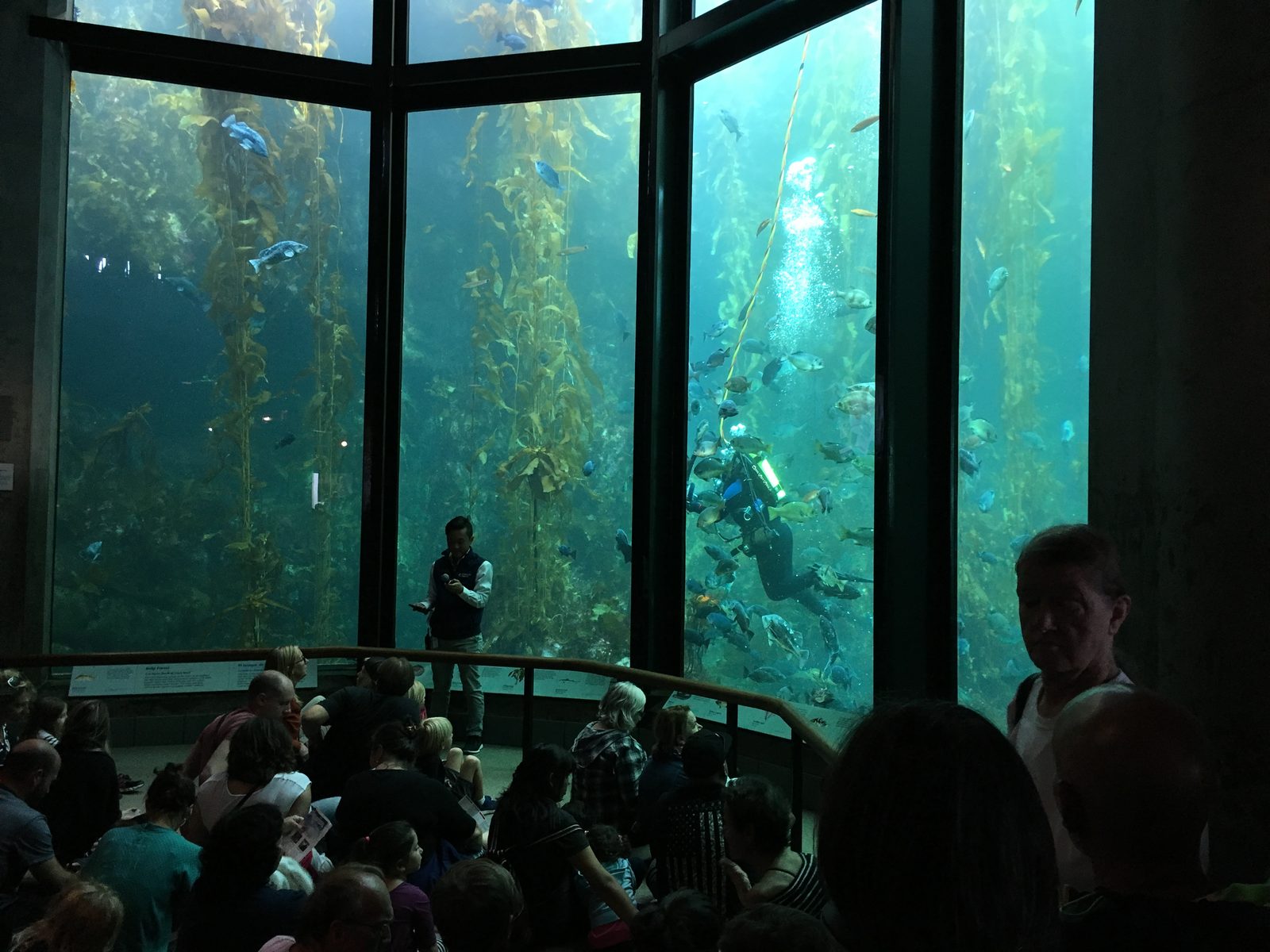
"We now have a rare, time-sensitive opportunity to understand, and potentially mitigate, another large-scale ecosystem shift as it unfolds," Smith said in the university's announcement. "This project will deliver actionable science in near to real time."
Undergraduate researchers are part of the dive teams. "It made me feel like I was contributing as a scientist, not just learning about science in a classroom," said Pacey Jones, one of the student divers.
The work has state backing. At its Sept. 18 meeting, the California Ocean Protection Council approved $1 million in rapid-response funding for marine heatwave and El Nino research, including support for UC Santa Cruz researchers examining how thermal events affect kelp productivity, biodiversity and urchin dynamics in Monterey Bay.
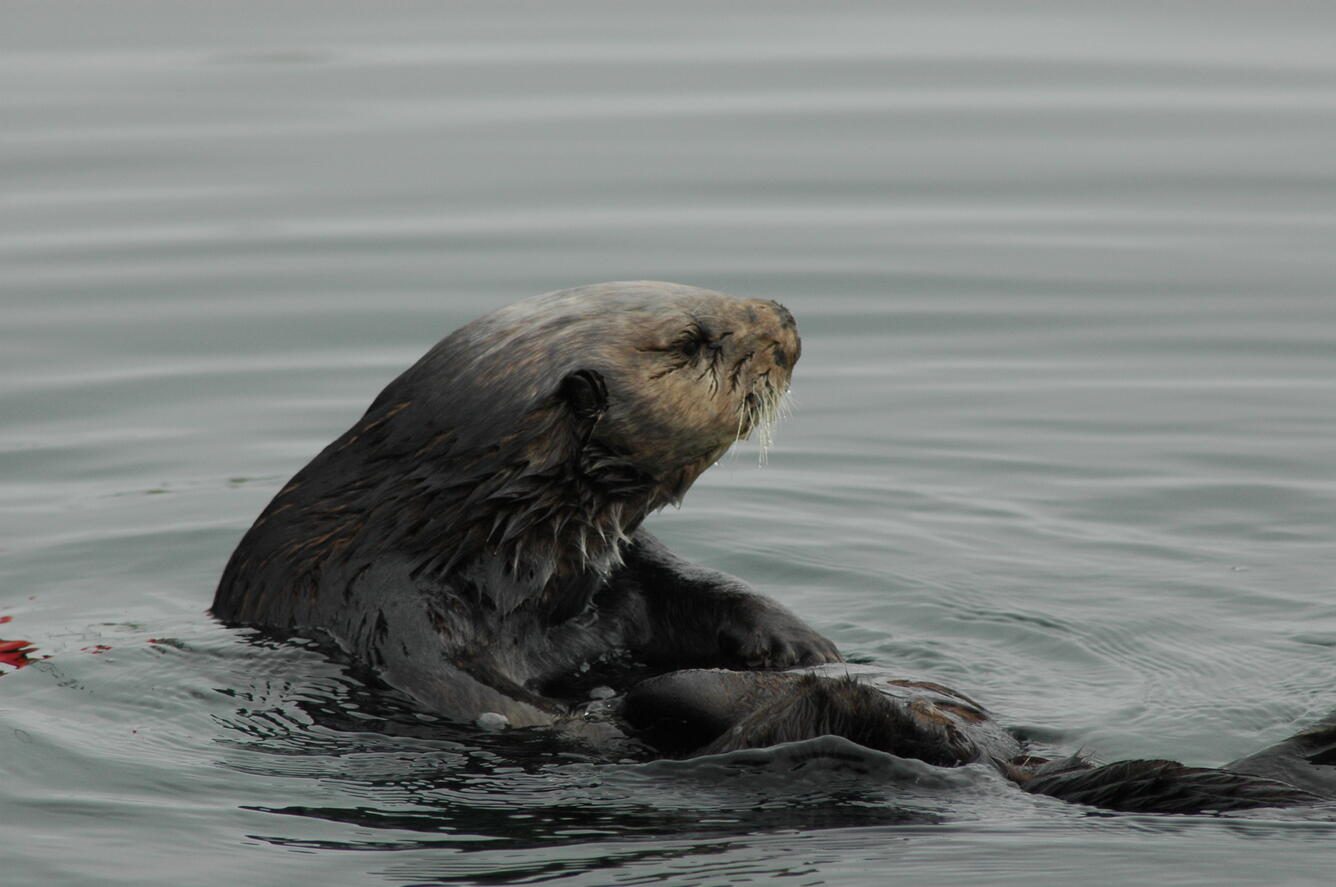
Giant kelp is the foundation of the bay's nearshore ecosystem, sheltering fish, otters and invertebrates. What the divers learn this winter could shape how California manages its kelp forests through the next warm-water event.
We correct errors promptly and note them here. Send corrections to [email protected].