Monarch butterflies must wait until 2030 for a federal protection decision
The U.S. Fish and Wildlife Service agreed to issue a final Endangered Species Act determination for the monarch by June 6, 2030, settling a lawsuit from two conservation groups. In Pacific Grove, where Butterfly Days wrapped Sunday, last season's sanctuary count was 188, down from 6,508 three years earlier.
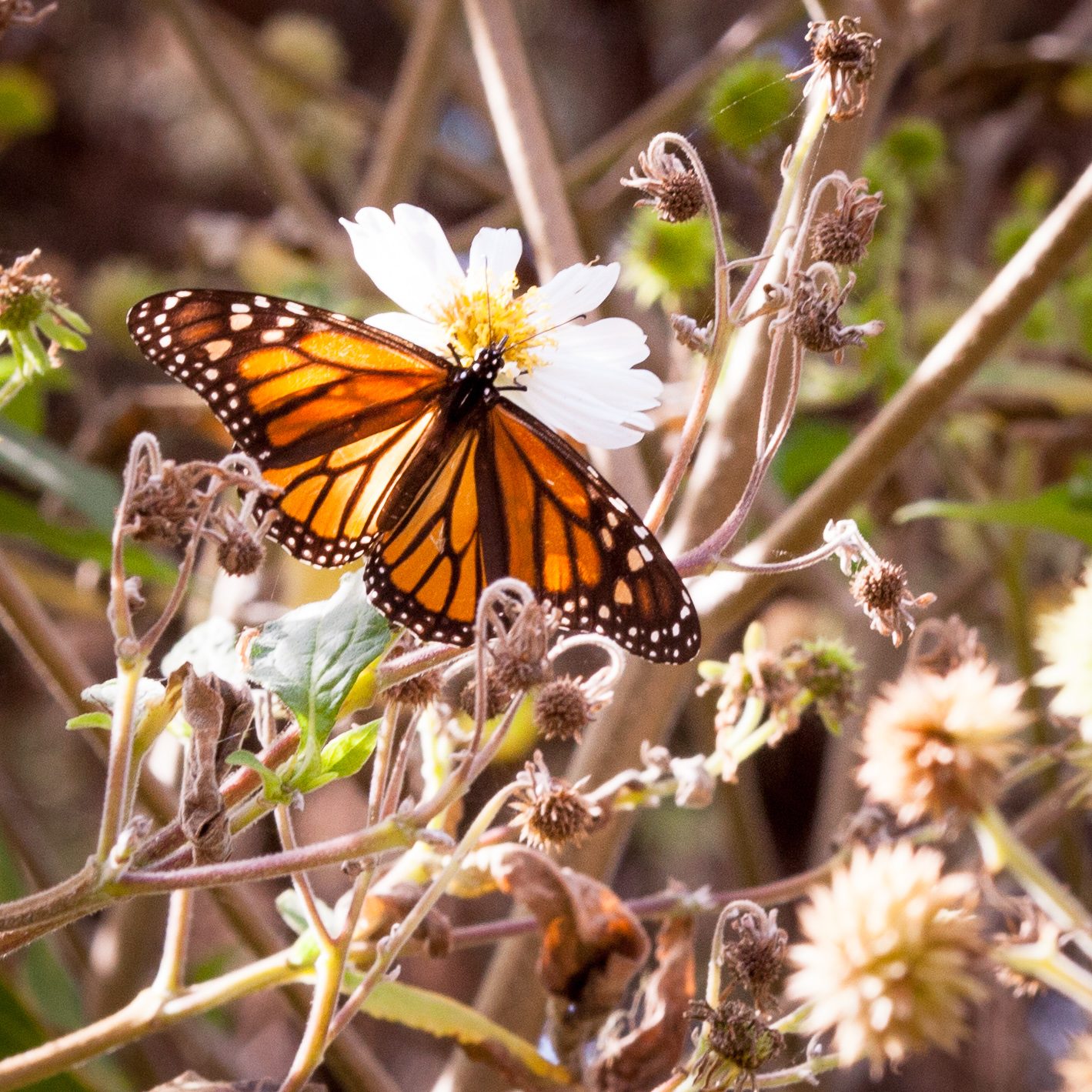
The monarch butterfly's long wait for federal protection grew longer on Sept. 30, when the U.S. Fish and Wildlife Service agreed to issue a final Endangered Species Act listing determination for the species by June 6, 2030, settling a lawsuit filed by two conservation organizations.
The stipulated settlement, filed in the U.S. District Court for the Northern District of California, resolves claims brought in February by the Center for Biological Diversity and the Center for Food Safety. The Service had proposed listing the monarch as threatened in December 2024, and the butterflies were set to be protected under the Endangered Species Act in December 2025, but the administration failed to finalize the protections.
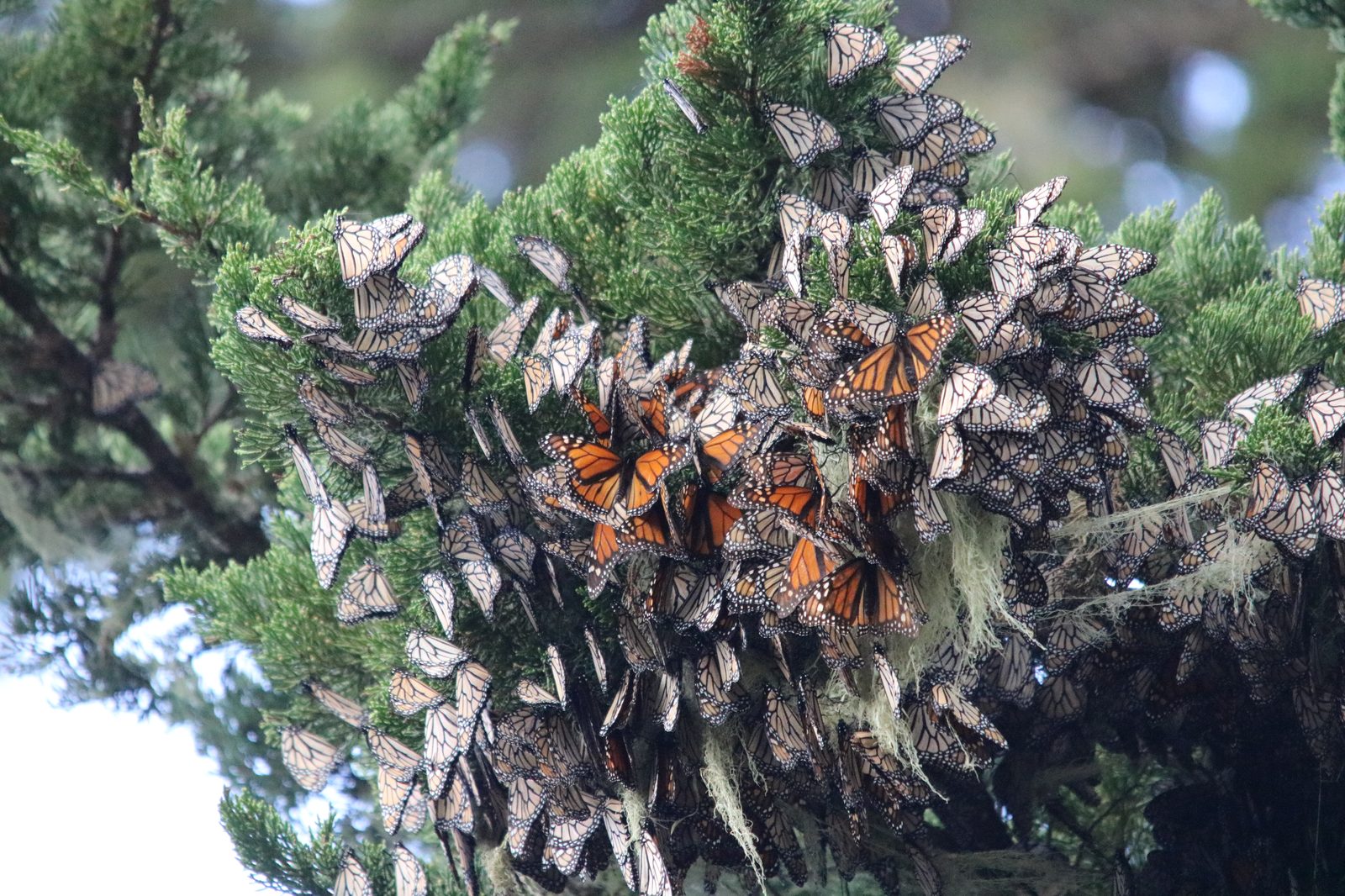
"Monarchs are migrating south right now bringing joy to everyone who sees them, but punting their protection for years magnifies the risk that we could lose these migratory wonders," said Tierra Curry, endangered species co-director at the Center for Biological Diversity. "It's shameful that it will have taken over a decade and a half from the time we sought protection for monarchs until they finally get the safeguards they need to survive, but it's significant we now have a binding date for final listing," said George Kimbrell, legal director at the Center for Food Safety.
The numbers behind the urgency are stark. The western migratory population has fallen more than 95 percent since the 1980s, and numbered fewer than 12,260 butterflies last winter, the third-lowest count on record. Monarchs west of the Rocky Mountains overwinter mostly on the central coast of California. A federal assessment found that eastern monarchs face up to a 74 percent chance of extinction in the next 60 years, and western monarchs up to a 99 percent chance. This year's eastern overwintering population covered only 7.24 acres of forest in Mexico, less than half of the 15 acres scientists estimate is the minimum threshold to stay above the risk of migratory collapse.
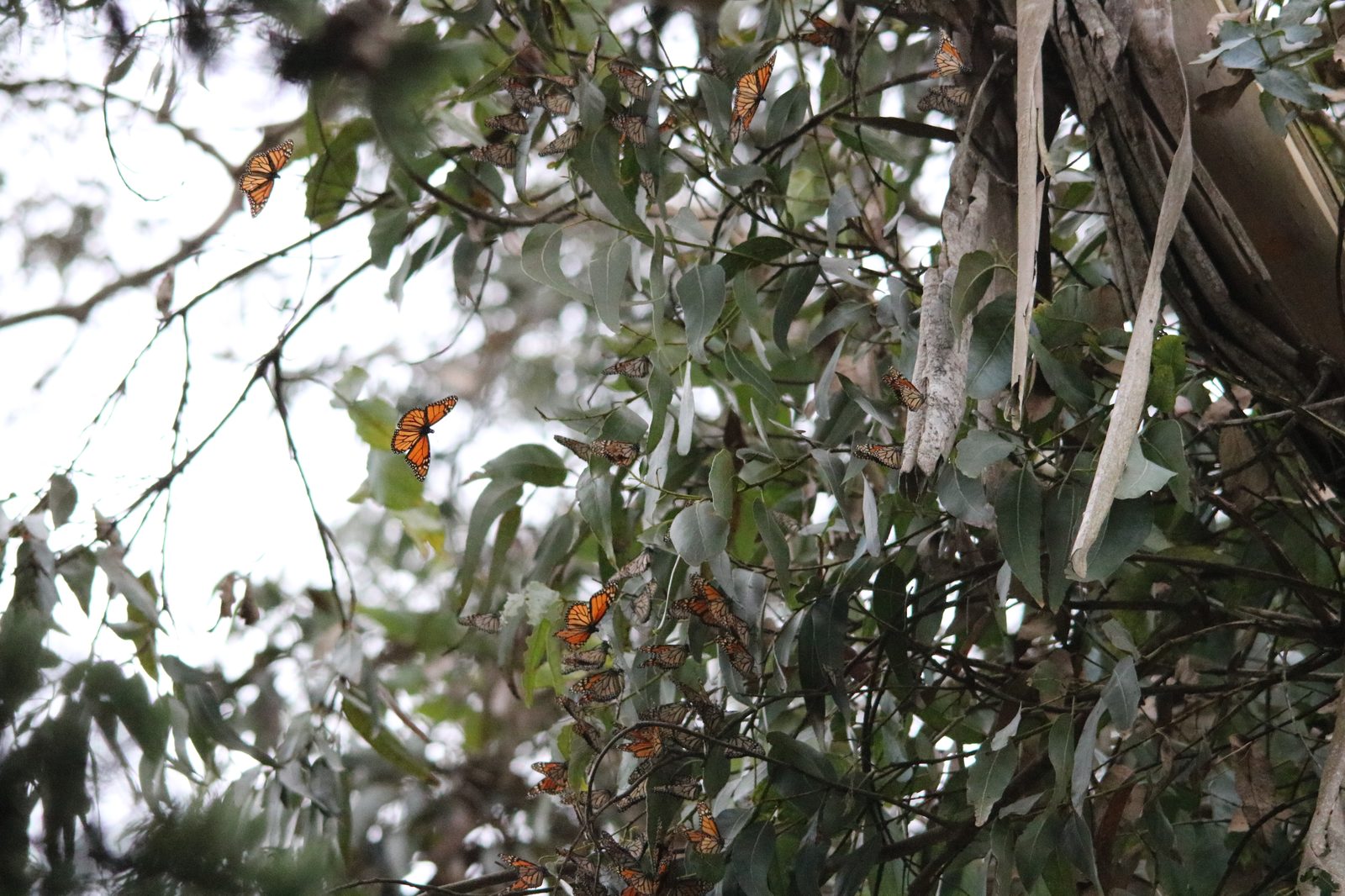
In Pacific Grove, where the annual Butterfly Days celebration wrapped up Sunday, the news landed as the new overwintering season begins. Last season's official count inside the city's Monarch Butterfly Sanctuary was 188, down from 228 in 2024 and 6,508 in 2023. Conservationists first sought federal safeguards for the butterflies in 2014, and the species was placed on a candidate waiting list in 2020.
The settlement sets a deadline, not an outcome: under the agreement, the Service must submit its final determination to the Federal Register by June 6, 2030, and retains discretion over the substance of that determination. The agreement still requires court approval.
We correct errors promptly and note them here. Send corrections through the contact form, choosing the Correction topic.