Monterey asks residents to help close an $11.7 million budget gap at El Estero tonight
The fourth of the city's five Budget Resilience Workshops meets at 6 p.m. Monday at the El Estero Park Center, where attendees will rank city services and work through an exercise that prices current services at 111 points against 100 points of available spending.
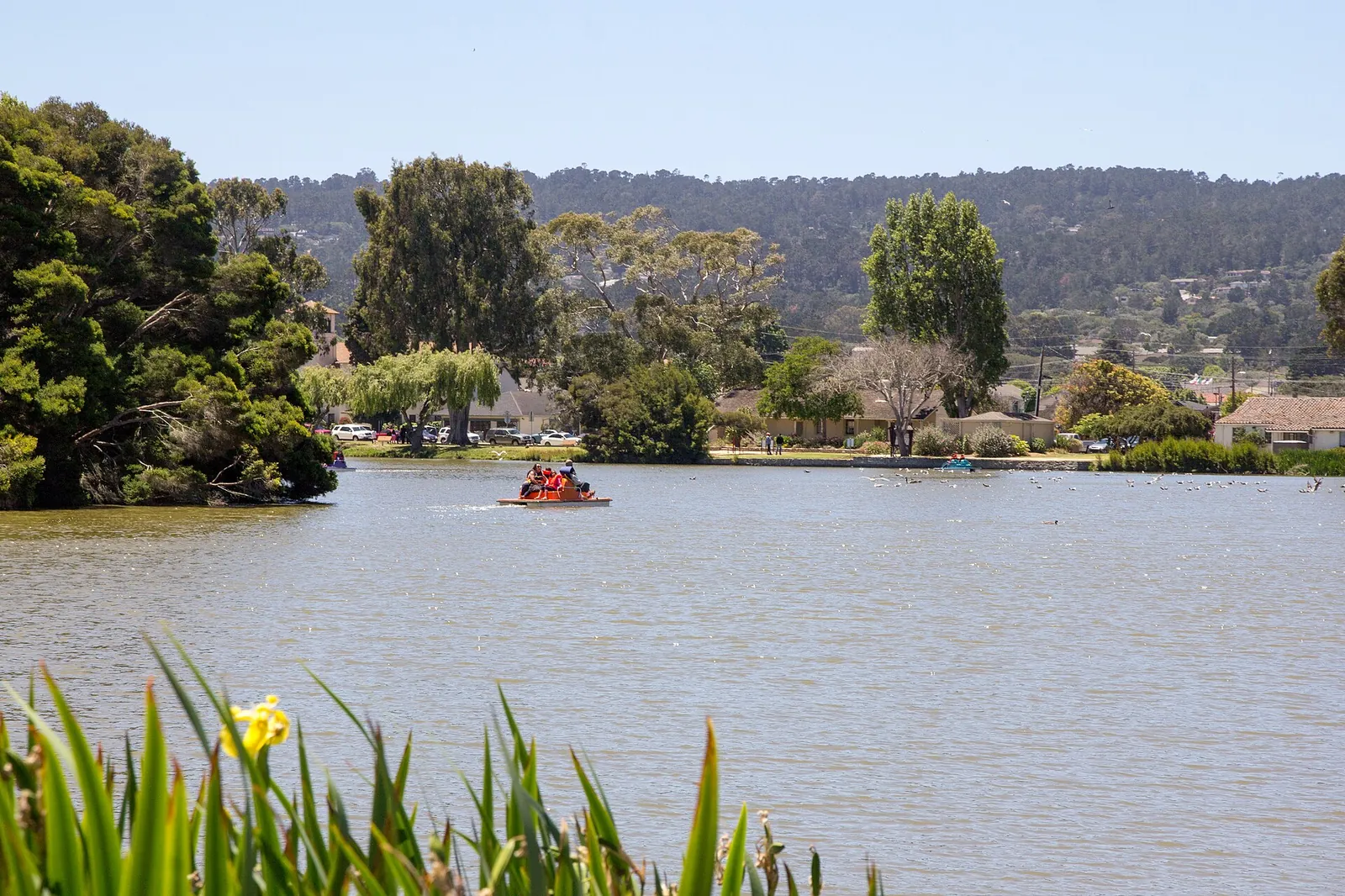
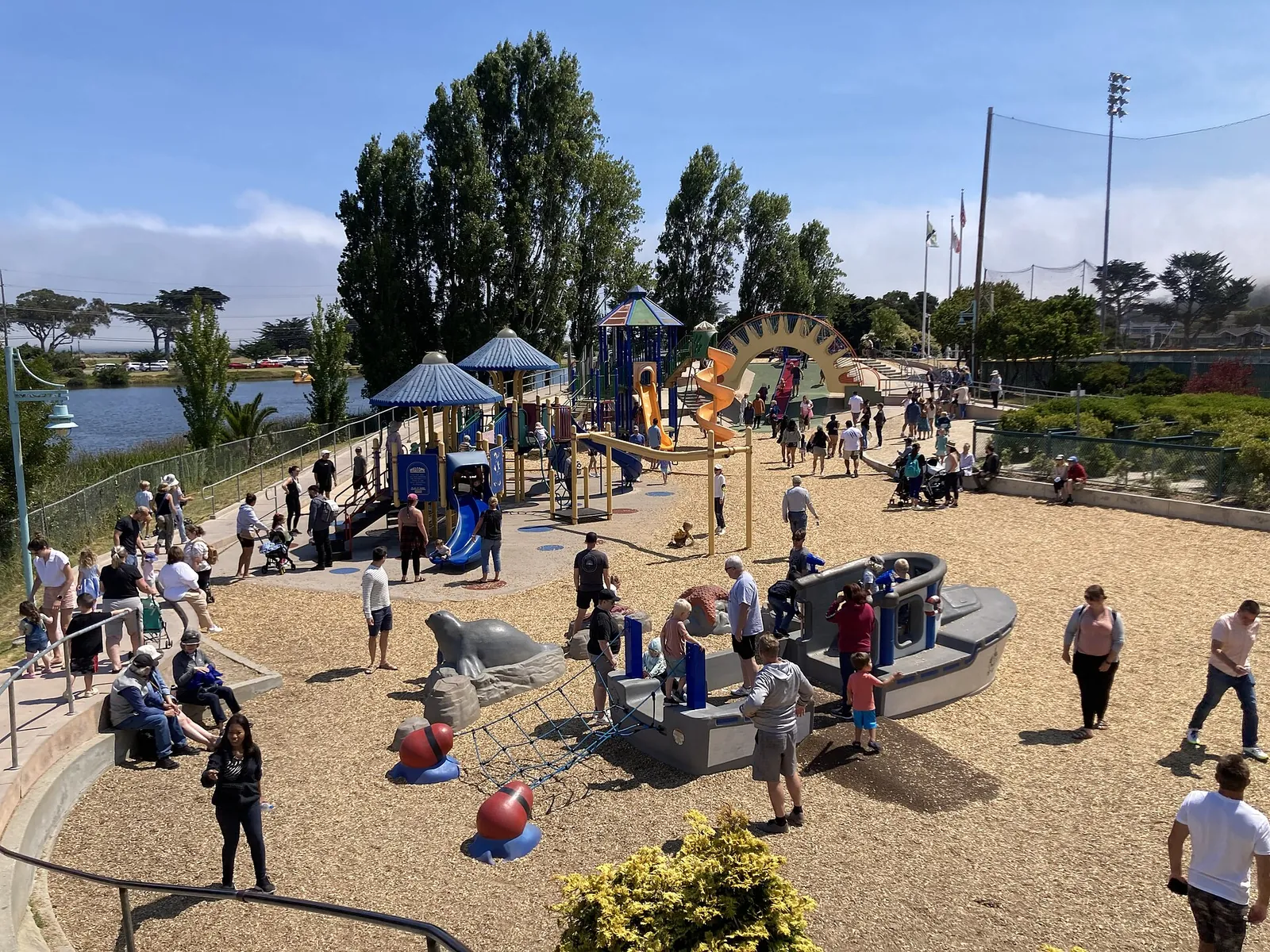
Monterey's budget conversation moves to the El Estero Park Center tonight. The city holds the fourth of its five Budget Resilience Workshops at 6 p.m. on Monday at the center at 777 Pearl Street, part of its Roadmap to Resilience, the plan the City Council first heard as an agenda item on August 18 for closing a structural budget deficit the city puts at $11.7 million and reaching a balanced budget for the 2027-2028 fiscal year and beyond.
Each workshop follows the same shape, according to the city: a presentation on the deficit and the costs driving it, an activity in which attendees rank the services they value most, and an open discussion with a question and answer period. The ranking exercise is built around the size of the hole. In the presentation prepared for the October session, keeping city government running at current levels costs 111 points, while the city has 100 points to spend, so attendees are asked to name their top five service priorities and then identify 11 points of cuts.
The city's account of how the gap opened is that its service model now costs more each year than its revenues can sustainably cover, with expenses growing faster than income. With two exceptions, the 2021-2022 and 2023-2024 fiscal years, Monterey has adopted a budget carrying a deficit every year since 2017-2018. Overall inflation from June 2020 to June 2026 reached 30 percent, the city says, and employee cost of living adjustments have not kept pace with it.
The October presentation names the sharpest cost increases since 2022: liability and property insurance premiums up 153 percent, adding $3.1 million inside the General Fund; water and electricity utility rates up 70 percent, adding $1.2 million; workers compensation charges up 27 percent, adding $700,000; and salaries and benefits up 25 percent under three-year labor agreements. On the revenue side, the city's largest single source is the hotel tax at 26.5 percent of General Fund revenue for 2026-2027, and its top five sources together account for 84 percent. Cities in Monterey County receive an average of only 6 percent of property tax revenue, with most of that money going to schools, the county and special districts.
Where the General Fund goes is also part of the presentation. Public safety, police and fire together, takes 52.6 percent of it, at $64.2 million. Parks and recreation takes 15.6 percent, and the library 3.3 percent. For the current year, the city says it has already defunded about 30 positions for nearly $3.6 million in General Fund savings, cut 17 percent of its operational budget across two fiscal years, and moved $3.5 million from the Neighborhood and Community Improvement Program into operations and infrastructure. Two attempts to raise new money have failed at the ballot box on the presentation's account: a sales tax increase of 0.375 percent pursued in June 2026, which would have generated $4.5 million a year and lost by 162 votes, and a flood protection and stormwater fee that drew 60 percent opposition in a Proposition 218 vote.
Tonight's session is the last workshop before the final one, on December 3 at Monte Vista School. The city will also hold two more informal Budget Brews drop-ins, on November 19 at the Starbucks on Lighthouse Avenue and on December 8 at Nece's GF Bakery, and residents who cannot attend can answer the city's online Budget Resilience Survey or file a comment through its website. Under the Roadmap timeline in the presentation, a city budget team develops priorities from this month through January out of the public sessions and staff work, the Council holds a check-in on December 15 and identifies its own priorities in February and March, and a budget study session follows in April. The Council is scheduled to adopt the 2027-2028 budget on June 1, 2027, with the new fiscal year beginning on July 1.
We correct errors promptly and note them here. Send corrections through the contact form, choosing the Correction topic.